Grid congestion requires more than just grid upgrades: it also requires smart digital control
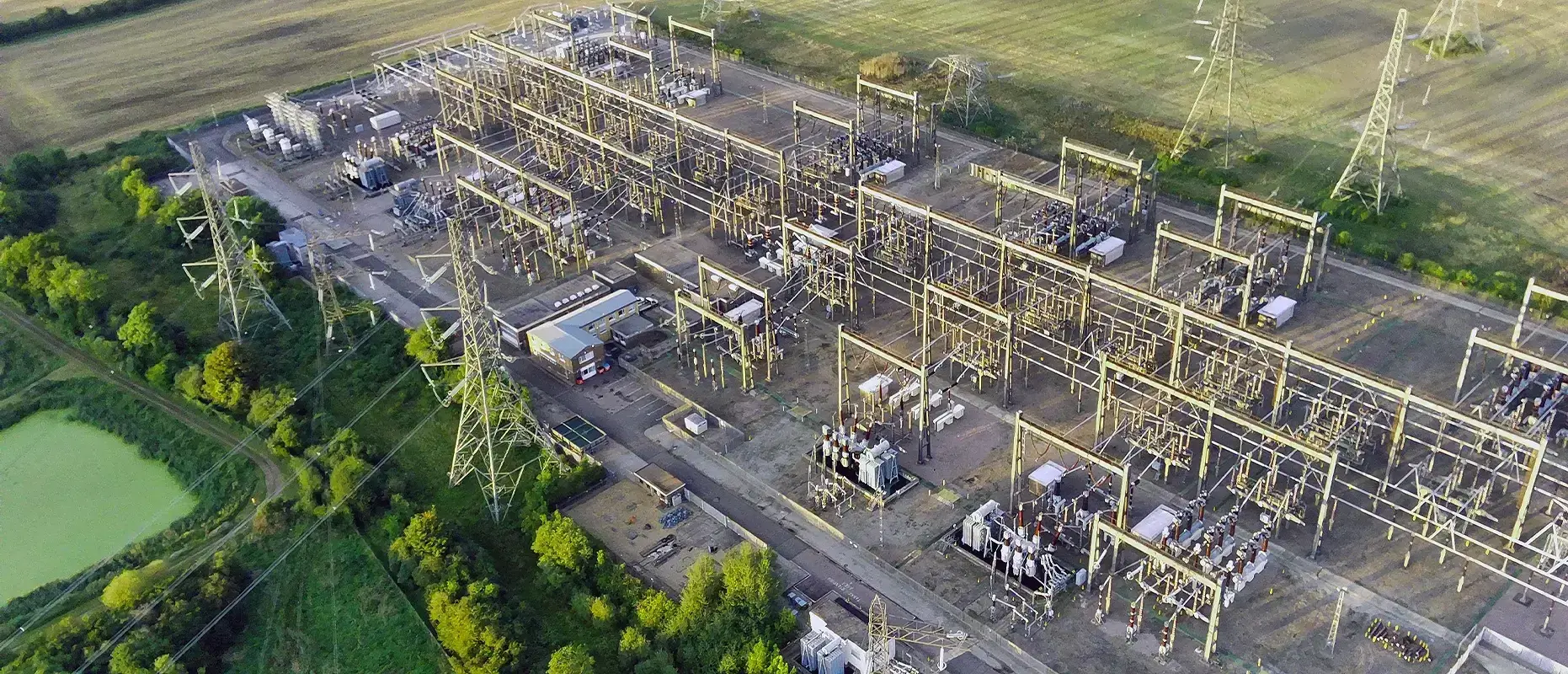
An estimated €235 billion will be needed in the coming years to expand the Dutch electricity grid. At the same time, a recent Nieuwsuur report shows that existing grid capacity can be utilized much more efficiently in some areas. Grid upgrades remain necessary, but digital control can help limit peaks and make better use of available capacity at the local level.
Professor Jan Rotmans aptly described our electricity grid on Nieuwsuur as a “nineteenth-century system.”
Among other things, Nieuwsuur shows how a new residential neighborhood is being developed in Arnhem with much lighter electrical connections. There, supply and demand are coordinated as part of a single system, allowing peaks to be better spread out.
Estimates vary as to how significant the impact of such solutions might ultimately be. Professor Jan Rotmans believes that the necessary investments in grid reinforcement could be significantly lower. Alliander is more cautious and estimates that energy-saving innovations could solve about 10 percent of the problem. One thing is certain, however: simply building more capacity is not the only solution. Making better use of existing capacity also deserves attention.
Smarter Management at the Local Level
Grid congestion is not equally severe at all times. It is precisely during peak periods that pressure builds on the local grid. This makes local management an attractive option: demand, generation, storage, and flexibility can be better coordinated within the available grid capacity.
Software plays an important role in this. Not as a replacement for cables, transformers, and other physical infrastructure, but as a means to make better use of that infrastructure.
Much of this happens out of sight of users. A charging process can be rescheduled, a battery can temporarily supply power, or local generation can be adjusted. Ideally, as little as possible changes for the user; the complexity is handled digitally.
Digital control becomes mission-critical IT
This also raises a second question. If we make our energy system increasingly dependent on digital control, how reliable must that software be?
As far as we’re concerned, the answer is clear: extremely reliable.
Systems that measure energy flows, make decisions, and control installations are no longer merely supporting IT. They become part of the operational infrastructure. Reliability, manageability, and continuity must therefore be factored in from the design stage.
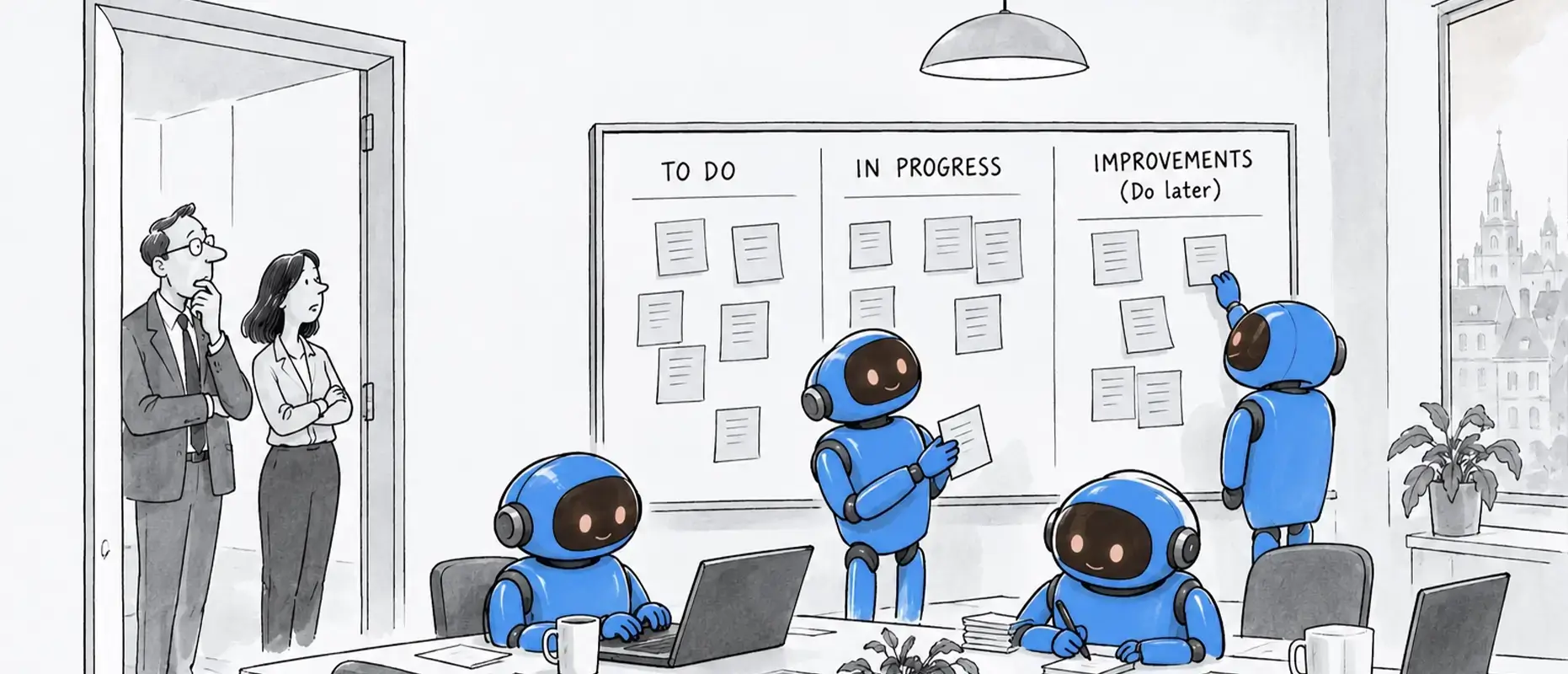
This aligns with how we at Utilus view mission-critical IT: not as a temporary project, but as a system for which responsibility must be assumed throughout its lifecycle.
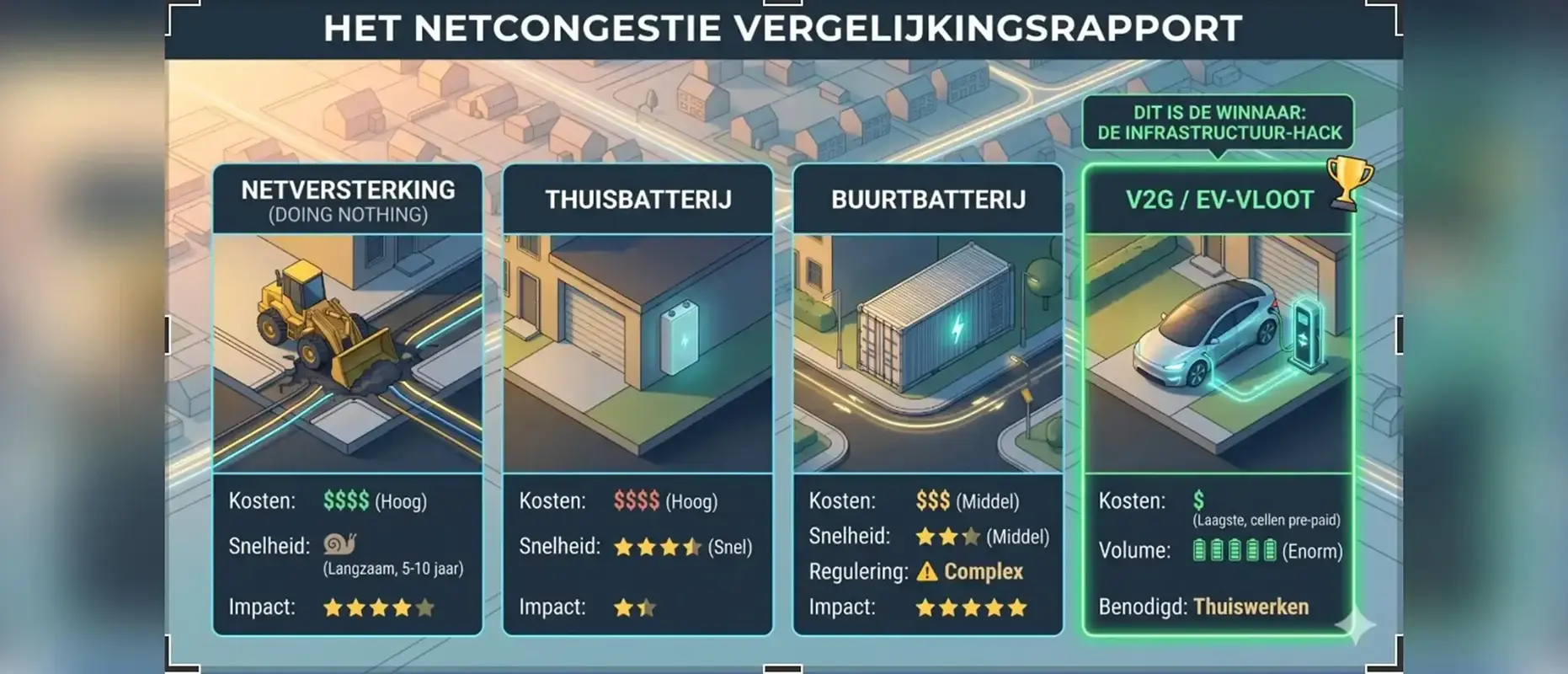
Netbewuste Sturing vs. Traditioneel
From Theory to Practice
At City Hub, we’ve already seen what targeted digital control can achieve. At a location in Utrecht, the feed-in of solar power was causing problems with the overloaded local grid. Utilus developed an application that automatically regulates how much electricity is fed back into the grid. As a result, City Hub no longer needs to intervene manually, and available renewable energy can be utilized more effectively.
It’s a relatively narrow example, but it illustrates an important principle: physical capacity and digital intelligence don’t have to be mutually exclusive. It’s precisely this combination that determines how much we can get out of the existing infrastructure.
More Capacity and Smarter Use
The Dutch power grid will need to be significantly expanded in the coming years. At the same time, it makes sense to explore how much capacity we can create by using the existing infrastructure more intelligently.
This requires not only new technical concepts but also reliable digital systems that make them work in practice.
That is where software transitions from being merely supportive to becoming business-critical.
Utilus. Do the work.
Never miss our latest insights
Subscribe to get our newsletter, insights, and case studies.